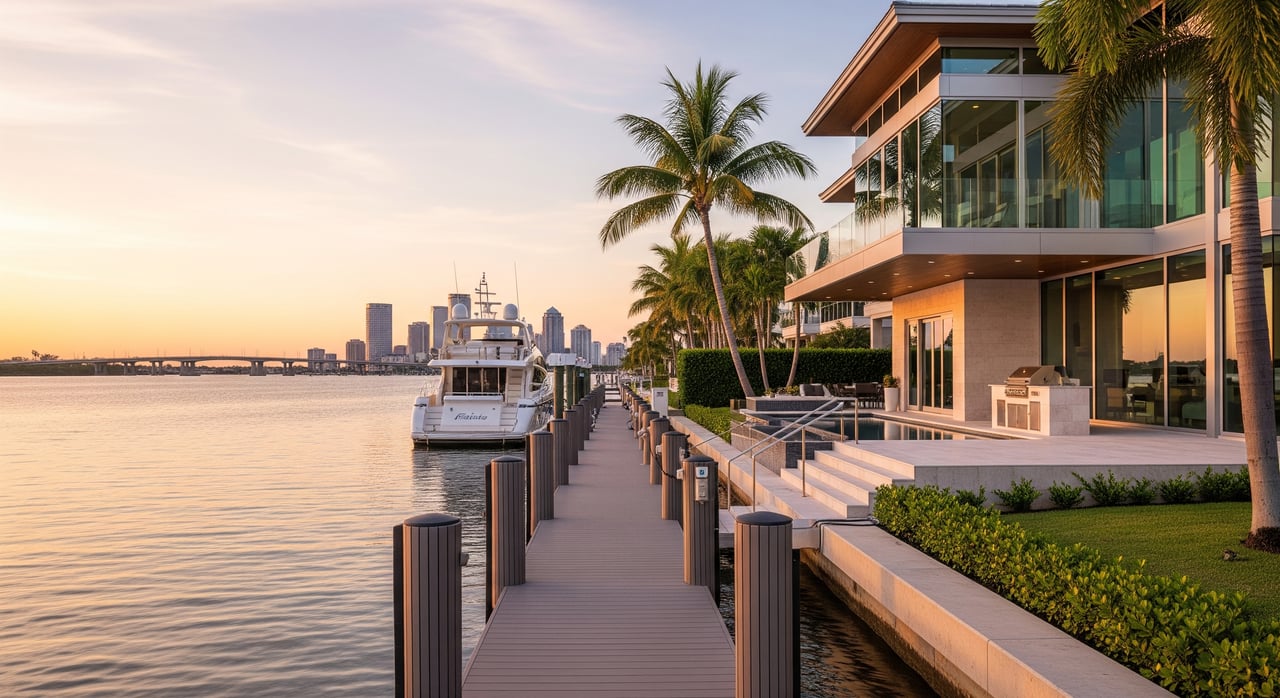
Experience the Tampa Waterfront Lifestyle Every Day
buyers February 3, 2026
buyers February 3, 2026
What if your morning jog hugged the bay, your lunch came with sailboat views, and your evenings ended with a sunset stroll by the water? If you are imagining a move to Tampa’s waterfront, you likely want both the daily joy and the practical facts. You deserve a clear picture of what life actually feels like, from sunrise routines to storm prep and dock rules. This guide brings the waterfront to life and outlines what to consider before you buy. Let’s dive in.
South Tampa stretches along Hillsborough Bay with the famed Bayshore Boulevard sidewalk as its centerpiece. You will find a mix of historic bungalows on side streets and larger single-family homes closer to the water. Many homes along the peninsulas have canal or bay views, and some offer private docks or lifts. Daily life here often revolves around runs, bike rides, and quick coffee stops within walkable pockets.
Just off downtown, Davis Islands and Harbour Island offer close-in island living. You will see a blend of condos and smaller single-family homes, plus private marinas and community docks. The islands are notably walkable to parks, cafés, and downtown venues. If you want boat access and an easy commute, these islands put both within reach.
Along the Gandy corridor and down to Ballast Point, you will find single-family homes on canals and peninsulas. Many properties feature seawalls, lifts, and direct bay access. The vibe is more residential, with daily boat traffic on weekends and quieter streets during the week. It is a popular choice if you want a dock in your backyard and room to spread out.
If you lean urban, the downtown and Channelside waterfront brings high-rise condos, restaurants, parks, and the Tampa Riverwalk. Many residents commute on foot or bike, then meet friends for waterside dinners or weekend markets. You can walk to cultural venues, grab a coffee with views, and hop on a water taxi in select areas.
Tampa’s port is a major economic engine and an active working waterfront. In some neighborhoods near port facilities, you will see or hear cargo and cruise traffic. It is part of the local landscape and a reminder to distinguish residential marinas from industrial corridors when you shop.
Early risers start with a jog or bike along Bayshore or a quiet loop on Davis Islands. You may spot dolphins, pelicans, and calm morning water before the sea breeze climbs. Many residents grab coffee at a nearby café and take a quick waterfront stroll. On weekends, paddleboards and kayaks hit the water before the mid-day heat.
Island and downtown residents often enjoy short commutes by foot or bike. In peninsula neighborhoods, you will likely rely on bridges and main corridors for cross-bay travel. During the day, marinas buzz with service crews and boaters fueling up. Food halls and waterside patios fill for lunch with steady bay views.
Evening is prime time. Residents plan sunset walks on Bayshore Boulevard, relaxed dinners on terraces, or a quick harbor cruise. The colors over the bay are a nightly ritual. During event seasons like Gasparilla, waterfront paths see extra activity, and weekends feel like a citywide block party.
Many homeowners use personal slips, community docks, or nearby marinas to launch and store boats. Transient slips and public ramps offer options for day trips. If you are a boater, confirm boat-size limits, channel depth, and lift capacity during your home search.
Tampa Bay is a shallow estuary with varied habitats that attract anglers. You will see residents casting from docks, heading out for short bay runs, and paddling near mangrove edges. Kayaks and paddleboards are common for sunrise fitness or quick afternoon resets.
In parts of downtown, water taxis and seasonal shuttles add a fun way to move around. They can make nights out and event days easier, and offer a scenic way to connect to different waterfront spots.
Waterfront properties usually carry a price premium compared to similar homes off the water. Recurring costs can include HOA dues for condos or communities with marina services, dock or slip fees, and higher insurance premiums. Add in routine seawall and dock upkeep when planning your budget.
Many waterfront homes sit within FEMA flood zones, so lenders often require flood insurance through the NFIP or a private policy. Tampa Bay’s storm-surge exposure and hurricane risk factor into evacuation planning and insurance pricing. Ask for elevation certificates, any flood claims history, and preliminary insurance quotes early in your search.
Dock, lift, and seawall work can require permits across multiple agencies that may include Hillsborough County, the Florida Department of Environmental Protection, and the U.S. Army Corps of Engineers for navigable waters. Older docks sometimes need upgrades to meet current codes. Seawall condition, hardware, and materials matter, so budget for inspections and potential repairs.
Most in-city areas connect to municipal water and sewer, but verify utility connections and stormwater systems for each property. Power interruptions can be more likely in low-lying or peninsula areas during severe weather. Many homeowners consider backup power or elevated generator setups.
Condo and community HOAs often outline vessel size limits, guest mooring rules, and rental policies. Local navigation and speed zones near manatees and channels guide safe boating and can shape your daily routine. Review HOA documents and local maritime rules to match your lifestyle.
Water quality can fluctuate seasonally due to nutrient loads or harmful algal blooms. Local agencies monitor conditions and issue public health advisories that may influence decisions about swimming, fishing, or paddling on certain days. Many residents check updates during warm months or after heavy rain.
Tampa and Hillsborough County invest in floodplain management, drainage improvements, and building standards to address sea-level rise and coastal flooding. For homeowners, that can translate into elevation requirements, evolving insurance rules, and occasional shoreline or infrastructure projects. Staying current on local resilience planning helps you make long-term decisions with confidence.
Port Tampa Bay supports regional jobs and commerce, and activity can be visible near certain waterfront edges. If you value quiet views, pay attention to proximity and sightlines during your home search. If you enjoy watching ships, you might welcome the movement as part of your view.
Visit at different times of day. Morning can feel calm, while afternoons bring wind, tides, and boat traffic. Weekends and event days provide a realistic picture of noise and activity levels.
Buying waterfront is as much about lifestyle fit as it is about inspections and permits. You want a partner who understands both. With a hospitality-first approach, Kim guides you through the fun and the fine print so you feel prepared.
Here is how that looks:
If Tampa’s waterfront lifestyle is calling, you can explore it with a clear plan and a caring, hands-on guide. When you are ready, reach out to Kim Guillory. Let’s get you on the water with confidence.
Stay up to date on the latest real estate trends.

Get assistance in determining current property value, crafting a competitive offer, writing and negotiating a contract, and much more. Contact me today.