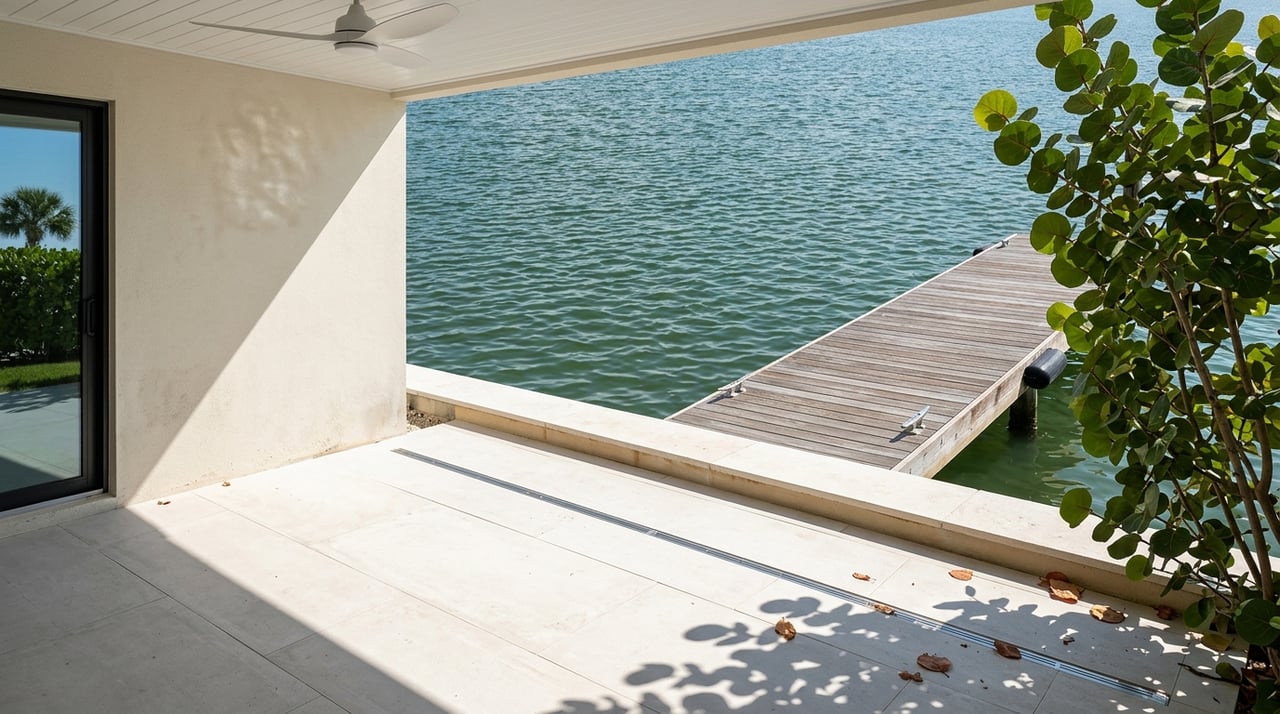
Sell Your St Petersburg Waterfront Home Smoothly
May 7, 2026
May 7, 2026
Selling a waterfront home in St. Petersburg can be exciting, but it also comes with more moving parts than a typical sale. Between flood disclosures, shoreline permits, insurance questions, and buyer expectations, even a beautiful property can hit avoidable delays if the details are not handled early. The good news is that with the right preparation, you can protect your timeline, support your price, and make the process feel far less stressful. Let’s dive in.
Selling near the water in St. Petersburg is not just about showing off the view. It is also about helping buyers understand the property clearly, from flood context to shoreline improvements and required disclosures.
Pinellas County says everyone in the county is in a flood zone, and it separates FEMA flood zones, evacuation zones, and storm-surge maps because each one measures a different kind of risk. That means buyers often start asking flood-related questions early, especially when they are comparing one waterfront home to another.
For some properties, Florida law adds another layer. Residential sellers must provide a flood disclosure at or before contract execution, including whether flooding caused damage during ownership, whether flood-related insurance claims were filed, and whether assistance was received for flood damage. The disclosure also states that standard homeowners insurance does not cover flood damage.
If your property is partially or fully seaward of the coastal construction control line, a separate coastal-property disclosure may also apply. Unless waived, closing may also require an affidavit or survey showing the control line location.
One of the best ways to keep a St. Petersburg waterfront sale smooth is to gather key paperwork before your home goes live. Buyers often feel more confident when they can review important details early instead of discovering them during inspection or just before closing.
A strong document file may include:
This preparation does two important things. First, it helps you answer buyer questions with confidence. Second, it can reduce renegotiation caused by surprises.
Waterfront homes are rarely priced well by square footage alone. Buyers often place value on things like water access, water views, dockage, frontage, and how the property sits on the lot.
Appraisal Institute educational material notes that access to the water and views of the water are major buyer priorities. It also notes that, all else being equal, more linear waterfront footage can support higher value.
That is why your listing should define the property clearly instead of using vague lifestyle language. If your home offers open water views, protected dockage, usable waterfront footage, or a strong orientation to the water, those features should be documented and presented in a factual, easy-to-understand way.
When buyers scroll through listings online, they make quick decisions based on the information they see first. Waterfront sellers often lose momentum when the listing mentions the view but fails to explain the details that actually support value.
Helpful details to highlight can include:
These details help buyers compare your property accurately. They also help your home stand out for the right reasons.
Flood risk is one of the first issues many waterfront buyers want to understand. In Pinellas County, flood maps, evacuation zones, and storm-surge tools all play different roles, so buyers may ask about more than one map or designation.
Pinellas County notes that high-risk flood zones generally require flood insurance when the mortgage is federally backed. It also notes that flood insurance questions should be evaluated separately from a standard homeowners policy.
For sellers, the main goal is clarity. If you know the property’s flood history, insurance history, elevation information, or past mitigation work, it is better to organize that information early and present it clearly than to leave buyers guessing.
Florida law requires sellers to disclose known facts that materially affect property value and are not readily observable. For a waterfront home, that can include prior flooding, hidden water intrusion, or damage that a buyer would not notice during a showing.
This is one area where honesty protects both your transaction and your peace of mind. Buyers are far more likely to stay confident when they feel the seller has been direct and transparent from the beginning.
Florida’s current flood disclosure law makes this especially important. Since the seller must disclose known flooding damage, claims, and assistance history at or before contract execution, waiting until late in the process can create friction that may have been avoidable.
If your St. Petersburg waterfront home includes a dock, replacement dock, lift, seawall, or other shoreline improvement, buyers may want to see a clear paper trail. This is not just about curiosity. It is often tied to financing, insurance, inspections, and confidence in the condition of the property.
St. Petersburg requires a dock permit for installation or replacement of a dock, and the application must account for other applicable permits. City code also places maintenance responsibility for some canal waterways and seawalls on adjoining lot owners, which is one reason buyers often ask about maintenance records and repair history.
Before listing, it helps to confirm what records you have available. If documents are incomplete, identifying that early gives you time to gather what you can and prepare for buyer questions.
Most waterfront buyers expect a deeper level of due diligence than they would for a non-waterfront home. They may look closely at moisture issues, shoreline structures, drainage concerns, and signs of prior damage.
You cannot control every inspection finding, but you can reduce stress by preparing upfront. If you already know the age, condition, or repair history of waterfront features, having that information ready can make negotiations more straightforward.
A smoother inspection phase often comes down to simple preparation:
If you are selling a waterfront condo in St. Petersburg, the transaction may involve more than your unit alone. Florida law now requires milestone inspections for many condominium and cooperative buildings that are three habitable stories or more, generally by age 30 and every 10 years after that. Many associations must also complete structural integrity reserve studies.
For some condo sales, the contract must disclose whether a milestone inspection or reserve study is complete. That means association records can directly affect timing and buyer confidence.
If your property is a condo, it helps to gather association documents as early as possible. A delay in records can slow the whole transaction, even when the unit itself shows beautifully.
Waterfront homes often earn attention online before a buyer ever sets foot inside. According to 2024 buyer-seller data from the National Association of REALTORS, 43% of buyers first looked for properties on the internet, and internet users found photos, detailed property information, and floor plans especially useful.
That matters because buyers are not just looking at your home. They are comparing it side by side with every other waterfront option they can find.
A strong online presentation should include:
In a waterfront sale, marketing is not only about beauty. It is also about reducing uncertainty.
The easiest waterfront transactions usually have one thing in common: fewer last-minute discoveries. When you prepare the disclosure package, organize the waterfront paperwork, and present the home clearly online, you create a calmer experience for everyone involved.
That approach fits St. Petersburg especially well because the market asks buyers to think about more than finishes and floor plans. They are also weighing flood context, shoreline improvements, insurance questions, and in some cases condo compliance and association records.
When those pieces are handled with care, your sale is more likely to stay on track. You also give buyers a better reason to feel good about both the property and the process.
If you are getting ready to sell a St. Petersburg waterfront home, the right guidance can make all the difference. A hospitality-first, detail-driven approach helps you prepare the property, answer buyer questions, and move through the process with less stress and more confidence. When you are ready for thoughtful support and polished marketing, connect with Kim Guillory.
Stay up to date on the latest real estate trends.





Get assistance in determining current property value, crafting a competitive offer, writing and negotiating a contract, and much more. Contact me today.