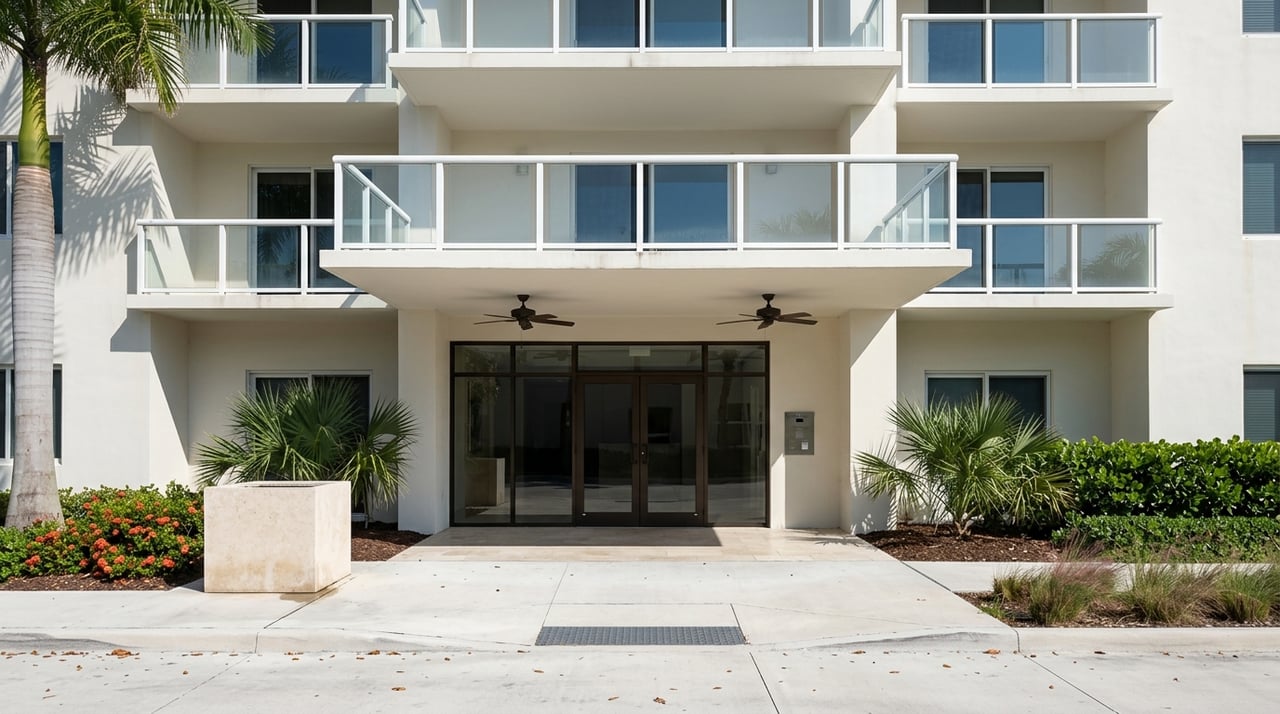
Tampa Condo Buying Guide: What Smart Buyers Should Review
June 18, 2026
June 18, 2026
If you love the idea of lower-maintenance living near Tampa’s urban core, waterfront areas, or amenity-filled communities, buying a condo can feel like a smart next move. But condo ownership works differently than buying a detached house, and those differences can affect your budget, insurance, and day-to-day experience. This guide will walk you through what to review, what to ask, and what matters most before you buy a condo in Tampa. Let’s dive in.
When you buy a condo in Florida, you are buying your individual unit plus an undivided share of the common elements. Those common elements can include things like hallways, roofs, elevators, parking areas, pools, and shared systems. Under Florida law, those shared elements are tied to the unit and cannot be separated from it.
That matters because condo buying is not just about the unit itself. It is also about the association that manages the shared property, the rules that govern the building, and the budget that supports ongoing maintenance. In simple terms, you are buying both a home and a shared ownership structure.
One of the biggest differences between condo living and owning a single-family home is the maintenance split. In general, the association is responsible for maintaining the common elements and the parts of the condominium property assigned to it under the declaration. Some limited common elements may be assigned differently, so it is important to confirm the details in the condo documents.
Florida law also allows the association to enter a unit when needed for maintenance, repair, replacement, or to prevent damage. Owners also may not make changes that would harm the safety or soundness of the condominium property. That is why it is so important to know where your responsibility begins and ends before you close.
Parking spaces, storage areas, balconies, and certain exterior features may be treated as limited common elements. That means they are reserved for certain units, but they are still part of the shared property structure. You should confirm exactly what comes with the unit and how those spaces are assigned.
In Florida, hurricane protection is a major condo issue. Condo boards are required to adopt hurricane-protection specifications, and owner costs for removal or reinstallation may be limited unless the declaration says otherwise. Before you buy, ask how the building handles shutters, impact protection, and related maintenance responsibilities.
In Tampa, condo affordability is about more than the purchase price. Your real monthly cost may include mortgage payments, association dues, insurance for the parts of the unit you must cover, and any upcoming special assessments. Looking only at the list price can give you an incomplete picture.
Association dues often cover operation, maintenance, repair, replacement, protection, insurance, security, and other shared costs identified in the condo documents. In buildings with more amenities or services, those dues may be higher because there is simply more shared property to operate and maintain.
Florida condo budgets must be detailed, and annual financial reports are required. Reserve schedules must also accompany budget notices. Reserve accounts are intended for capital expenditures and deferred maintenance, such as roof replacement, painting, and pavement resurfacing.
That reserve funding matters even more today. Florida guidance explains that reserve funding tied to a Structural Integrity Reserve Study, or SIRS, may not be waived or reduced once it applies. For you as a buyer, that means a building’s reserve health can directly affect your future carrying costs.
Special assessments can change the cost of ownership quickly. If a building needs major repairs, reserve contributions increase, or structural work is identified, owners may be asked to pay more. Ask whether there are current special assessments, planned assessments, or known projects that could affect your budget after closing.
One of the most useful condo due-diligence documents in Florida is the estoppel certificate. By law, it must show the unit’s regular assessment, special assessments or other money owed, future amounts scheduled to come due during the certificate period, transfer or resale fees, parking or garage space number, open rule violations, transfer approval status, and insurance contact information.
For a Tampa buyer, this document helps verify the real cost of ownership. It also gives you a way to confirm practical details, like whether the assigned parking matches what you were told. If there is one condo document you do not want to overlook, this is it.
Florida resale condo buyers have an important statutory review right. After you receive the required condominium documents, a nondeveloper buyer can void a resale contract within 7 days. For a typical resale, the required documents include the declaration, articles, bylaws and rules, the latest annual financial statement and budget, and the FAQ document if requested in writing.
This review period is there for a reason. It gives you time to slow down, read carefully, and make sure the building’s rules, finances, and disclosures fit your goals. A condo may look perfect in person but still raise concerns once you review the paperwork.
Structural due diligence has become a major part of buying a Florida condo, especially in older or taller buildings. A Structural Integrity Reserve Study and a Milestone Inspection are not the same thing. A SIRS focuses on reserve funding for key building components, while a Milestone Inspection is a separate structural inspection of load-bearing components.
According to Florida’s condo guidance, residential condominium associations for buildings that are three habitable stories or higher must complete a SIRS at least once every 10 years. The association must also distribute the completed study, or notice of availability, within 45 days and report completion to the Division.
If you are considering an older building, a building with visible wear, or a property that recently completed a structural review, ask for the SIRS summary, any milestone inspection summary, and any board discussion about reserve increases or special assessments. These are not just technical reports. They can affect your monthly costs, future repair obligations, and comfort level with the purchase.
Florida law also requires sale contracts to address these disclosures when applicable. That makes them an essential part of condo due diligence, not background paperwork to skim at the last minute.
Insurance works differently with condos than with detached homes. The association must insure the parts of the property it is responsible for, but Florida law excludes personal property and certain interior finish items inside the unit from that association coverage. Those items are generally the unit owner’s responsibility.
You should ask what the association’s master policy covers and where your responsibility starts. If damage is caused by owner conduct or by property the owner is required to insure, the owner may also be responsible for related reconstruction costs. That is a detail worth understanding before you commit.
Tampa buyers should pay close attention to flood risk. The City of Tampa says the city experiences localized flooding, tidally influenced flooding, and storm-surge flooding. The city also notes that homeowners insurance usually does not cover flood damage.
Tampa participates in the National Flood Insurance Program and the Community Rating System. The city says its current Class 5 rating provides a 25% flood-insurance premium discount in flood zones and a 10% discount outside flood zones. Even so, flood exposure can still affect your costs and your comfort with a property.
A common mistake is assuming flood zones and evacuation zones are the same. The City of Tampa says they are not. A condo can be outside an evacuation zone and still be in a flood-prone or drainage-sensitive area, so it is smart to review both before you move forward.
Parking should never be assumed in a condo purchase. The estoppel certificate must identify the parking or garage space number shown in the association’s records, which gives you a useful way to verify the assignment. If parking is a must-have for your household, confirm the arrangement early.
If you are thinking about electric vehicle charging, Florida law allows a unit owner to install it in a limited common element or exclusively designated parking area, subject to the building’s rules. The owner is responsible for installation, operation, maintenance, repair, insurance, and removal costs. That makes it important to ask both what is legally allowed and what the building practically supports.
Condo living comes with a governance structure that matters. Buyers must receive the declaration, bylaws, and rules, and owners are required to follow the condominium documents, division rules, and reasonable board rules. That is why condo shopping should always include rule shopping.
Before you write an offer, confirm any rules that could affect how you plan to use the property. That may include leasing rules, guest policies, pet rules, renovation procedures, parking limits, or move-in requirements. Clear answers now can help you avoid surprises later.
Before you sign or finalize an offer, ask for these items and review them carefully:
For a Tampa condo, add a few location-specific checks:
Buying a condo in Tampa can be a great fit if you want convenience, shared amenities, or a lower-maintenance lifestyle. The key is understanding that you are not just buying square footage. You are also buying into a budget, a rulebook, a maintenance structure, and, in some cases, a building with evolving reserve and inspection requirements.
When you take time to review the documents, ask direct questions, and verify the details that matter most, you can move forward with more confidence. If you want a local guide who will walk you through the condo process with care, clarity, and a hospitality-first approach, reach out to Kim Guillory.
Stay up to date on the latest real estate trends.



Get assistance in determining current property value, crafting a competitive offer, writing and negotiating a contract, and much more. Contact me today.