Tampa New Construction vs Resale Homes: How to Decide
June 11, 2026
June 11, 2026
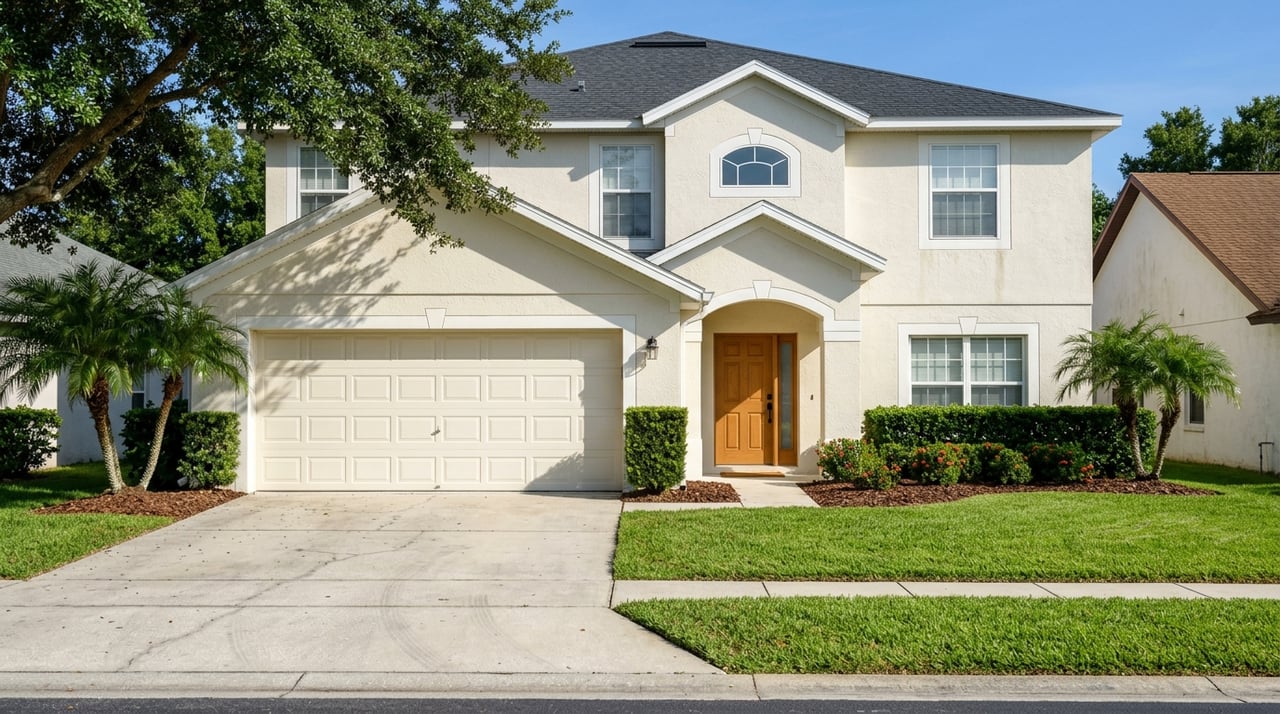
You can find a beautiful home in Tampa in either category, but the right choice often comes down to how you want to live through the buying process. Some buyers want the fresh start and lower early maintenance risk of a brand-new home, while others want the speed and clarity that come with a home that is already built. If you are weighing new construction against resale in Tampa, this guide will help you compare timing, costs, condition, and community rules so you can make a confident move. Let’s dive in.
Tampa remains a somewhat competitive housing market. Over the three months ending April 2026, homes sold for a median price of $450,567, averaged 47 days on market, and received about 2 offers on average.
In this market, the difference between new construction and resale is not just style or age. It is also about when the home will actually be ready, what kind of protection you may have after closing, and how much uncertainty you are comfortable with along the way.
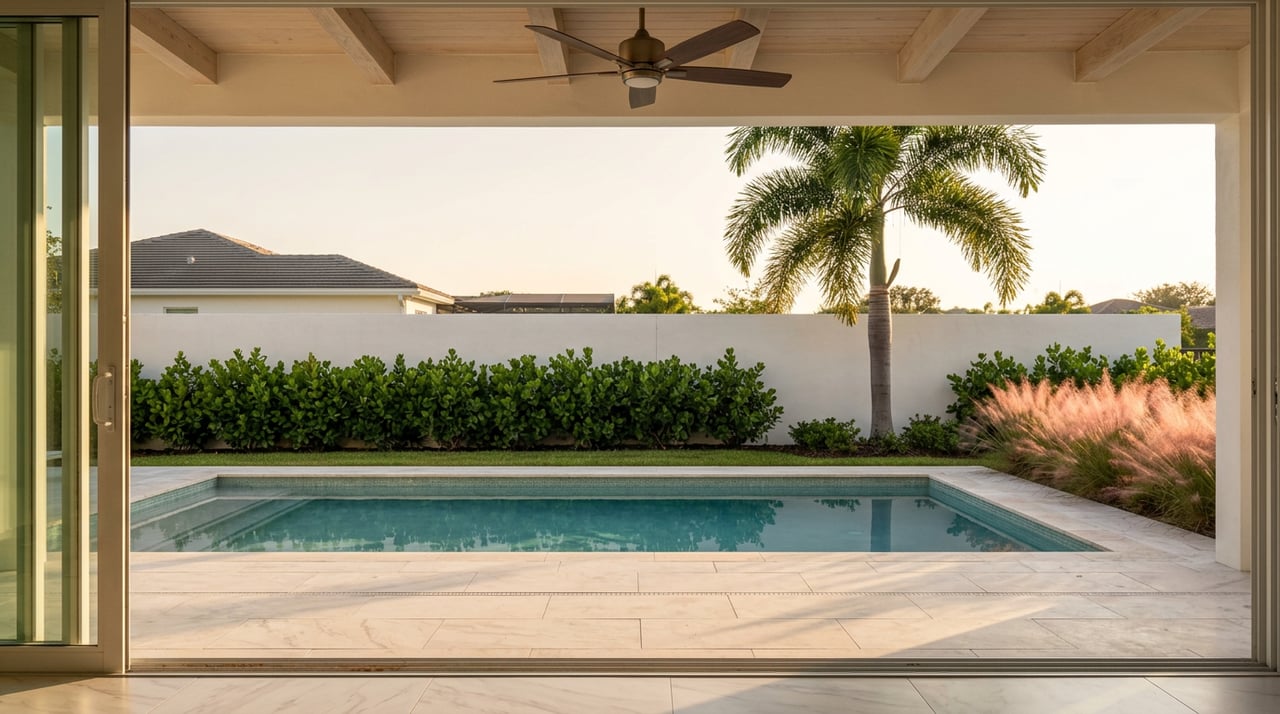
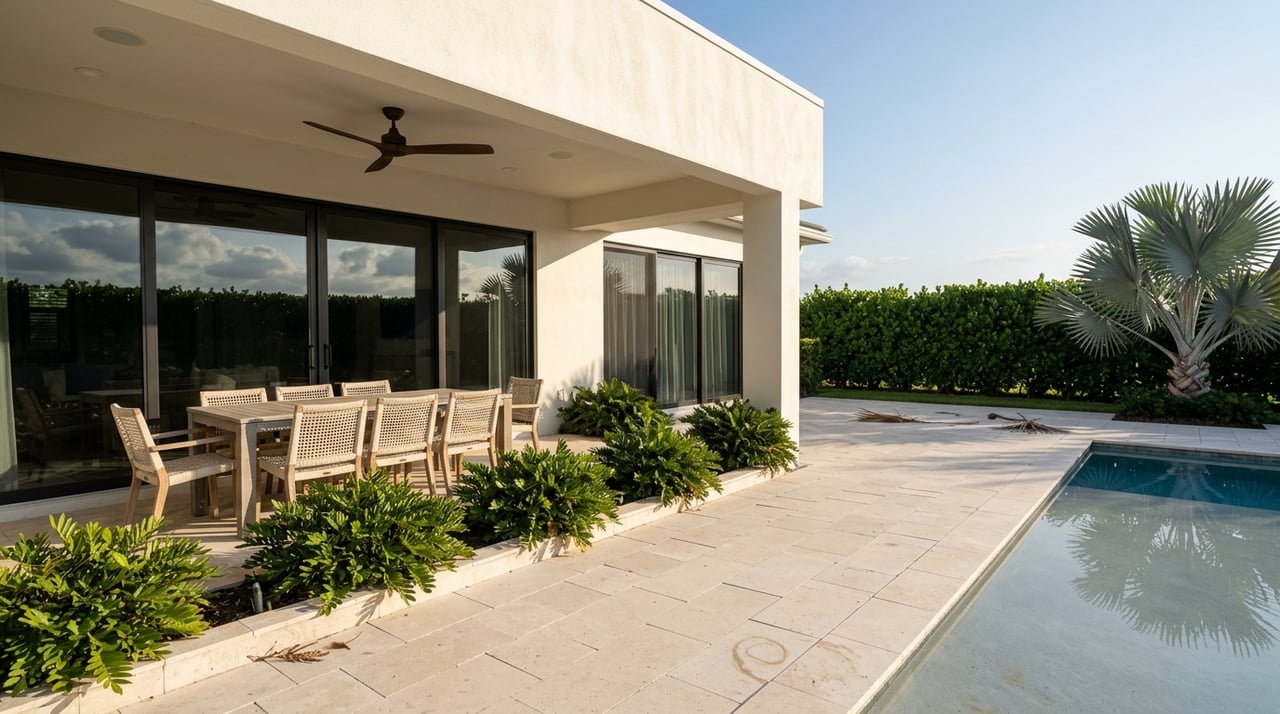
New construction can be a great fit if you want a home built to current code standards and prefer newer systems and finishes. It can also appeal to buyers who want to reduce the chance of near-term repair surprises during their first year of ownership.
That said, buying a new home in Tampa usually means accepting a longer path to move-in. Unlike a resale home, a new build still has to move through local permit review, plan review, inspections, and final completion before you get the keys.
Inside Tampa city limits, Construction Services handles permits and inspections for residential new construction. The process includes application review, fee estimates, plan review, inspections, and tracking through completion.
The City of Tampa requires items like a site plan, survey, signed and sealed building plans, energy calculations, and flood-zone information in the review package. Hillsborough County also notes that complete applications and supporting documents help keep the process moving, while failed inspections can trigger a $125 re-inspection fee.
For you as a buyer, the takeaway is simple: new construction often asks for more patience. If your move date is flexible, that may be fine. If you need housing soon, that timeline can become a major factor.
Florida’s mandatory builder warranty took effect on July 1, 2025. It requires builders to warrant newly constructed homes for 1 year against defects in materials, equipment, or workmanship that cause a material violation of the Florida Building Code.
There are limits to that protection. Normal wear and tear, normal settling, and appliance issues already covered by a manufacturer warranty are excluded. Still, for many Tampa buyers, this gives new construction a stronger up-front protection structure than a typical resale purchase.
The warranty also transfers to a new owner during at least the initial year. Even so, you should still read the builder contract and any community documents carefully so you understand exactly what is covered and what is not.
New construction is often the better fit if energy performance matters to you. In Tampa, energy calculations are part of the review packet, which means efficiency is something you may be able to review before closing rather than deal with later through upgrades.
Some new homes may go beyond basic code compliance. ENERGY STAR certified homes are at least 10% more efficient than code-built homes and average about 20% better, but that certification is voluntary and independently verified.
That means you should ask clear questions. Is the home simply built to code, or is it also independently certified for performance? That difference can matter if you want stronger efficiency, comfort, and durability from day one.
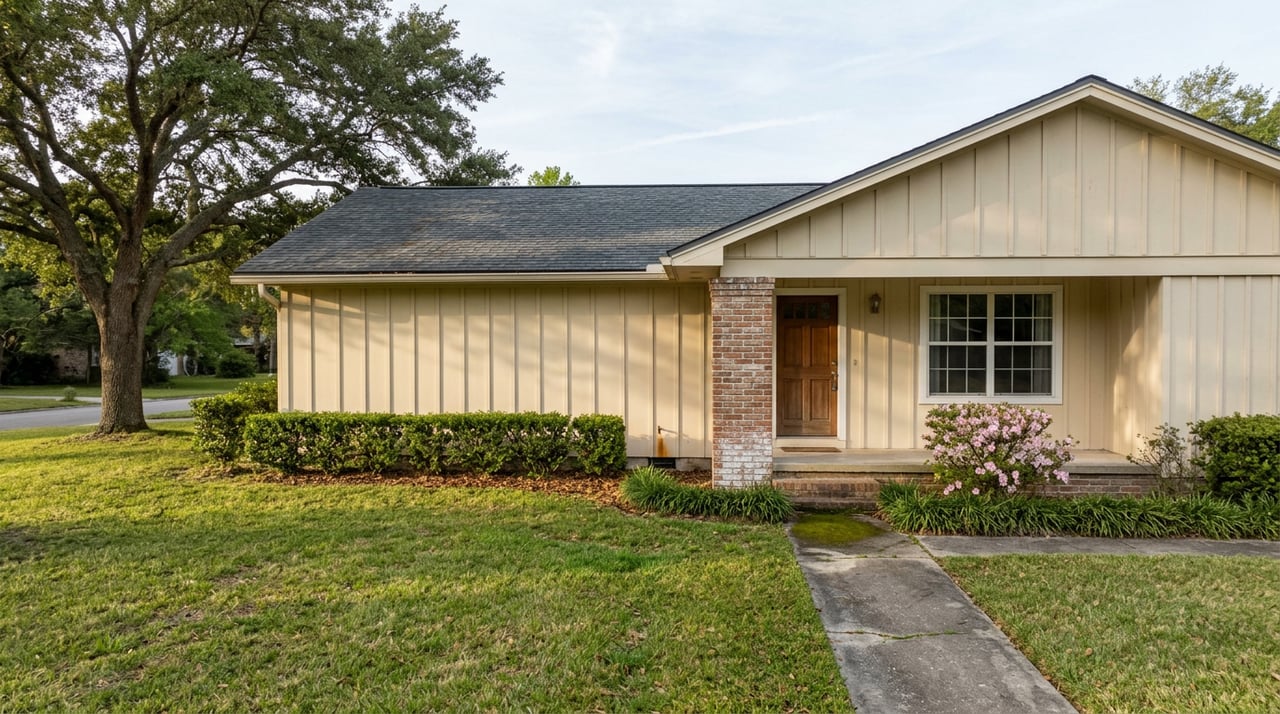
Resale homes usually stand out for one big reason: speed. The home already exists, so you can evaluate its condition, layout, and location as it sits today instead of waiting on construction milestones.
In a market where Tampa homes averaged 47 days on market over the recent reporting period, a finished home can often be pursued more quickly than a new build that still needs to clear local review and inspections. If your timeline is tight, that can be a major benefit.
With a resale home, what you see is more concrete. You can walk through the property, review its condition, and consider its maintenance history before moving forward.
That can make decision-making easier, especially if you care about practical details like wear on major systems, past upkeep, or how the layout functions in real life. For many buyers, that kind of visibility creates peace of mind.
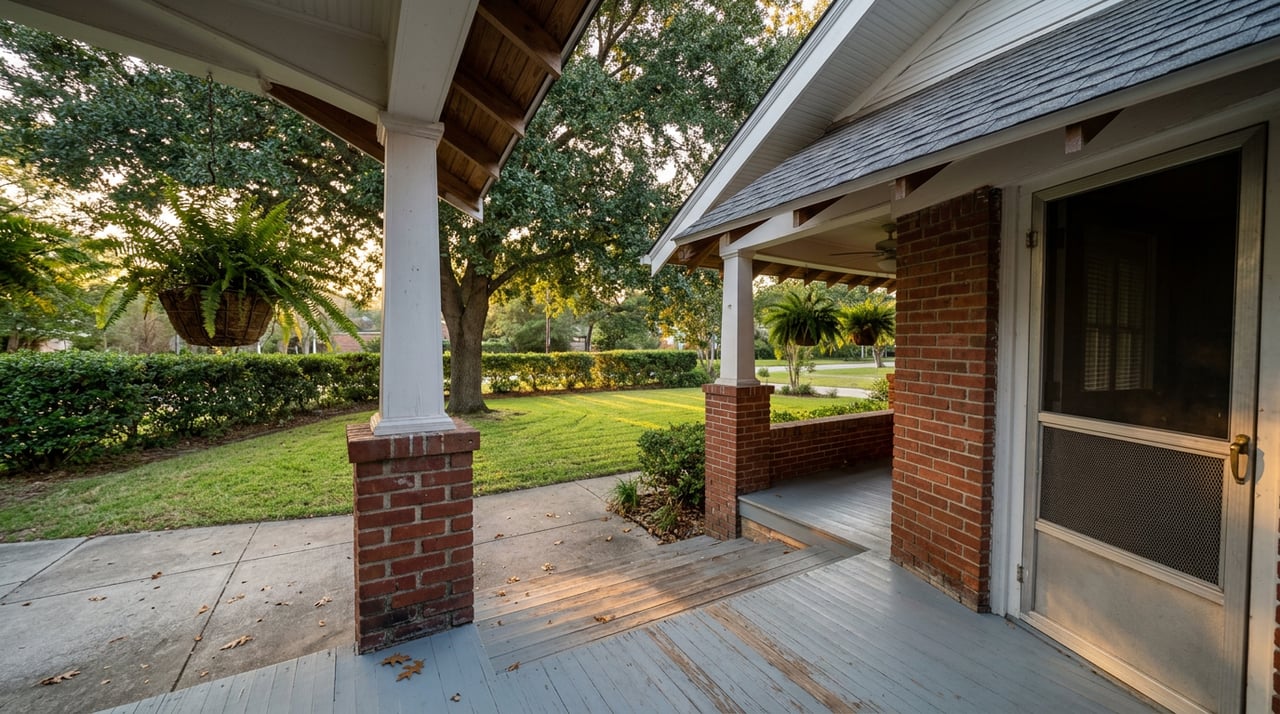
The trade-off is that a resale home comes with the age of its systems, materials, and finishes. Unlike a new build with a recent builder warranty framework, an existing home may require more careful inspection and a more realistic repair budget.
This does not mean resale is a worse option. It simply means your due diligence matters more. If you choose resale, inspection findings and likely maintenance costs should be part of your budget conversation from the start.
Whether you buy new construction or resale, community rules and fees can affect your monthly costs and your ownership experience. In Tampa, that is especially important if you are considering an HOA neighborhood, townhome, or condo.
Florida law requires an HOA disclosure summary before contract execution. That summary tells you that you will be obligated to join the HOA, follow the recorded covenants, and pay assessments that can change over time.
If that summary was not delivered before the contract was signed, a buyer generally has 3 days after receipt of the summary, or until closing, to cancel. The same disclosure also warns that unpaid assessments or special assessments may create a lien, so it is smart to treat HOA documents as part of the property decision itself.
Condo buyers in Florida have a separate disclosure structure. Developer contracts can be voidable within 15 days after execution and receipt of the required documents, which include items such as the declaration, bylaws, budget, and related association materials.
There is another practical point to keep in mind. Condo budgets in the offering circular are estimates, not guarantees, and Florida requires structural integrity reserve studies for residential condo associations with buildings three stories or higher at least every 10 years after creation.
Florida’s milestone inspection rule also applies to residential condo and co-op buildings that are three stories or more. The standard deadline is by the year the building turns 30 years old, though local enforcement can move that to 25 years in some cases, including situations related to proximity to salt water.
For Tampa buyers comparing property types, there is also a process difference: in the City of Tampa, condos are reviewed under the commercial permit path rather than the residential permit path. That may not change your decision by itself, but it is useful context when comparing a condo project to a single-family home or townhome.
For many Tampa buyers, the real question is not whether one option is universally better. It is whether you value fresh systems and code-based peace of mind more, or move-in speed and visible condition more.
Here is a simple way to frame the decision:
In Tampa, this choice often comes down to urgency versus certainty. New construction can give you more certainty around fresh materials, current-code construction, and early ownership protection. Resale can give you more certainty about timing, present condition, and what you can move into sooner.
Neither path is automatically right for every buyer. The best fit depends on your move date, budget comfort, tolerance for repairs, and whether you are buying in a standalone home, an HOA community, or a condo setting.
A thoughtful local strategy can make this decision much easier. When you have someone in your corner who can help you compare timelines, review community documents, and keep the process organized, it becomes much simpler to choose the home that truly fits your life.
If you are comparing new construction and resale homes in Tampa, Kim Guillory can help you sort through the details with the kind of hands-on, hospitality-first guidance that makes a big decision feel a whole lot more manageable.
Stay up to date on the latest real estate trends.

Get assistance in determining current property value, crafting a competitive offer, writing and negotiating a contract, and much more. Contact me today.