Living in Downtown Tampa: What Daily Life Feels Like
June 4, 2026
June 4, 2026
If you are wondering whether downtown Tampa feels like a place you visit or a place you can truly live, the short answer is both. For many buyers and relocators, that is the biggest question: will everyday life feel convenient, comfortable, and connected once the novelty wears off? This guide will help you picture what day-to-day life is actually like in downtown Tampa, from morning coffee runs to evening walks by the water. Let’s dive in.
Downtown Tampa is not one single, uniform neighborhood. The Tampa Downtown Partnership describes seven downtown neighborhoods: Downtown Core, Channel District, Central Park, Water Street Tampa, Downtown River Arts, Tampa Heights, and West Riverfront.
That matters because your daily routine can look very different depending on where you live. The Downtown Core functions as the central business district, while Water Street Tampa offers a large mixed-use waterfront setting, and the Channel District is known for its concentrated residential feel. Areas like River Arts and Central Park add more of an everyday, local rhythm with nearby coffee, casual dining, and small errands.
If you are relocating from a suburb, this is one of the first things you will notice. Downtown Tampa is more mixed-use than office-only, so your day is often shaped by what is within a few blocks rather than by getting in the car for every stop.
A typical morning downtown can be surprisingly easy to manage on foot. Local downtown guides highlight spots like Caffeine Roasters, Kahwa Coffee, Late Start Brewing/Mighty Fine, Tampa Breakfast, First Watch, and Duckweed Urban Grocery for coffee, breakfast, and quick essentials.
In neighborhoods like River Arts and Central Park, that mix supports a routine where you can grab breakfast, pick up a few basics, and head back home without leaving the urban core. For many residents, that is part of downtown’s appeal. Life can feel more streamlined when your small daily stops are close together.
This kind of convenience is especially helpful if you work from home, commute only a few days a week, or simply want a lifestyle with less driving. Instead of planning your whole morning around traffic and parking, you may be able to handle the basics in one short walk.
Downtown Tampa changes character as the day moves along. In the Downtown Core, the area tends to feel more business-centered during the daytime, then more dining- and nightlife-focused in the evening and on weekends.
That shift is useful to understand before you move. Downtown is not just a commuter district that empties out after work. It has an after-hours social pattern, especially in the central areas and along the waterfront.
Water Street Tampa adds to that energy with its 75-plus-acre mixed-use waterfront environment that blends residences, hotels, shops, offices, and public spaces. If you like being in an area where work, errands, dining, and outdoor time all overlap, downtown Tampa offers that kind of connected setting.
One of the most appealing parts of downtown living is how easy it can be to end the day outside. The Sail Plaza, next to the Tampa Convention Center and the Riverwalk, offers outdoor seating, live music, and a dog-friendly setting.
It is also reachable by the free streetcar or water taxi, which adds to the convenience of downtown social life. Instead of driving from one parking lot to another, you can often move through the area in a more relaxed way.
For many people, that shapes the overall feel of living here. Evening plans do not always need to be elaborate. A short ride, a walk by the water, or a casual stop for a drink can feel built into the neighborhood itself.
The Tampa Riverwalk is one of the biggest anchors of everyday life downtown. The City of Tampa describes it as a 2.4-mile uninterrupted sidewalk along the Hillsborough River that passes through six parks.
That means the Riverwalk is not just a scenic extra. It often becomes part of how people move, exercise, and unwind. Residents may use it for a morning jog, an evening stroll, a dog walk, or simply as a pleasant route between places.
The city also notes that many stretches are unshaded, which is important in Tampa’s heat. If you are considering downtown living, it is smart to think about what times of day you enjoy being outside and how much shade matters to your routine.
Downtown Tampa has meaningful green space woven into the urban setting. Curtis Hixon Waterfront Park includes a splash pad, playground, dog park, boat dock, and Riverwalk access, and it attracts more than one million visitors annually for special events.
Julian B. Lane Riverfront Park adds even more room to spread out. This 25-acre park includes a shaded community plaza, dog parks, kayak launches, sports courts, a splash pad, and hours from 7 a.m. to 10 p.m.
If you are worried that downtown living means giving up outdoor space, these parks are a major part of the answer. They give residents places to walk, relax, meet friends, or spend time outside without leaving the center of the city.
Transit is one of downtown Tampa’s strongest practical advantages. The TECO Line Streetcar is a 2.7-mile system connecting downtown Tampa, the Channelside District, and Ybor City.
According to the City of Tampa, the streetcar is free, runs every 15 minutes, and offers later service on Fridays and Saturdays. Service is also increased during major events, which means daily mobility can shift a bit when downtown is busier.
For residents, this can make car-free or car-light living more realistic than in many suburban areas. Even if you still drive, it is helpful to have another option for dining, events, or getting around nearby districts.
If you are moving from a suburban neighborhood, parking may be one of the biggest adjustments. City parking rules show that on-street parking in the Central Business District operates from 8 a.m. to midnight seven days a week, and the Channel District follows the same 8 a.m. to midnight schedule.
In practical terms, downtown residents who drive should expect mostly paid curb parking in the core. That does not mean driving is difficult everywhere, but it does mean daily parking usually requires more planning than it would in a driveway-focused community.
This is one of those lifestyle details that is easy to overlook during a quick visit. When you picture living downtown, it helps to think through how often you drive, where you park, and how that fits your day-to-day habits.
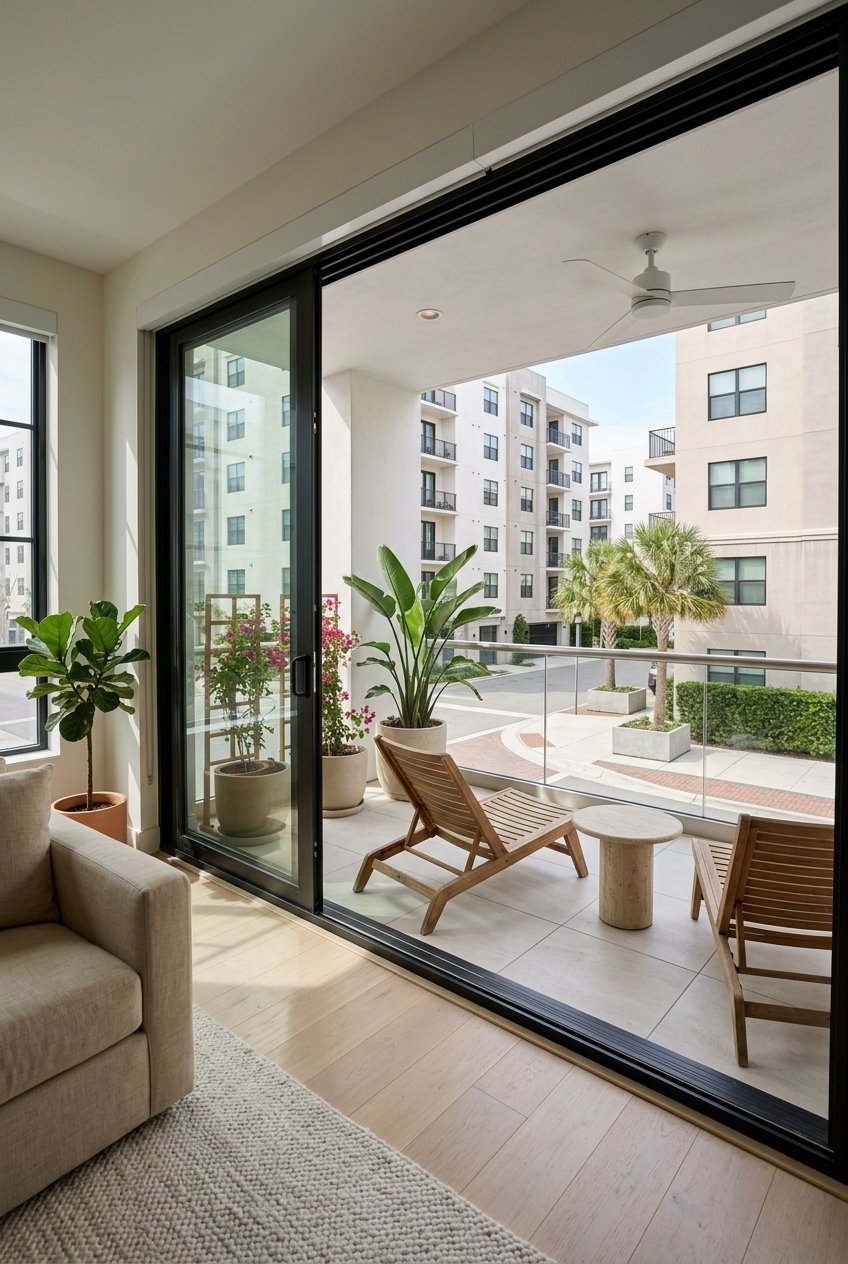
Downtown Tampa housing is heavily condo- and apartment-oriented. The area includes a mix of luxury, senior, and workforce housing, with examples in Central Park such as The Trio, The Reed Senior Residences, The Tempo, Legacy ENCORE! Luxury Apartments, and Navarra.
The Channel District is described as downtown’s highest concentrated residential community and as self-contained enough for many residents to handle most daily needs within the neighborhood. Water Street Tampa adds another major residential presence within a larger mixed-use waterfront district.
For buyers and renters alike, that means downtown living is usually about proximity and convenience rather than large lots or traditional suburban layouts. If you want to be close to parks, dining, transit, and the waterfront, this housing pattern may feel like a good fit.
Downtown’s housing mix is also broadening. In May 2026, Tampa announced a 22-unit workforce housing conversion at 801 East Whiting. In March 2026, the city selected a North Downtown proposal for 1,150 residential units, with 70 percent committed to affordable or workforce housing.
That is important because it points to a downtown that is growing in more than one direction. While luxury development is part of the story, it is not the only story.
If you are watching downtown Tampa for future opportunities, this wider housing mix may create more options over time. It also supports the idea that downtown is becoming a place for more kinds of residents, not just one lifestyle segment.
Downtown Tampa is often associated with nightlife, events, and high-rise living, but that is only part of the picture. Rampello K-8 Downtown Partnership Magnet School is the only public school located in the heart of downtown Tampa.
That detail matters because it shows downtown is not limited to short-term renters or weekend activity. The area includes the basics of everyday living, even if it is still more urban and less school-dense than many suburban parts of Hillsborough County.
The best fit usually comes down to your priorities. If you value walkability, mixed-use convenience, waterfront access, and a more connected urban routine, downtown Tampa can offer a very livable day-to-day experience.
At its core, downtown Tampa is about proximity. You are close to coffee shops, small errands, parks, the Riverwalk, transit, dining, and public spaces that make it easier to step out and enjoy your surroundings.
That does not mean every part of downtown feels the same, and it does not mean urban living is for everyone. Paid parking, heat, and a condo- or apartment-heavy housing mix are all part of the equation.
But if you want a neighborhood where daily life can happen within a few blocks, downtown Tampa offers a strong case. And if you are trying to decide whether that lifestyle fits your next move, having a local guide can make the choice feel a lot clearer.
If you are thinking about a move in Tampa Bay and want help finding the right fit for your lifestyle, Kim Guillory is here to make the process feel smooth, personal, and well cared for.
Stay up to date on the latest real estate trends.

Get assistance in determining current property value, crafting a competitive offer, writing and negotiating a contract, and much more. Contact me today.